The "We the People" American Flag symbolizes democracy, liberty, and unity, reflecting the nation's history and values. Its design—13 stripes and 50 stars—represents state growth and diversity, becoming an internationally recognized symbol of freedom. The flag fosters connection through historical sites, art, and participation, emphasizing democratic principles of equality and collective responsibility. Custom flags and art celebrate diverse cultural backgrounds, strengthening national identity and fostering unity in diversity.
The "We the People" American flag, a symbol of national identity, represents the collective spirit and diversity of our nation. However, its production often raises concerns about quality, authenticity, and whether it truly embodies the values it stands for. Currently, the market is flooded with flags that fall short, failing to live up to the legacy of this iconic emblem. This article offers a comprehensive solution: by delving into the intricate process of flag creation, we'll guide readers towards selecting or designing a "We the People" American flag that truly reflects their pride and respect for our shared history.
- We the People: Flag's Historical Significance
- Understanding American Flag's Design Principles
- Symbolism: What Does the Flag Represent?
- The Fabric and Craftsmanship Behind the Banner
- Flag's Evolution Through Time and Movements
- Embracing Diversity: A Modern Perspective on We the People
We the People: Flag's Historical Significance
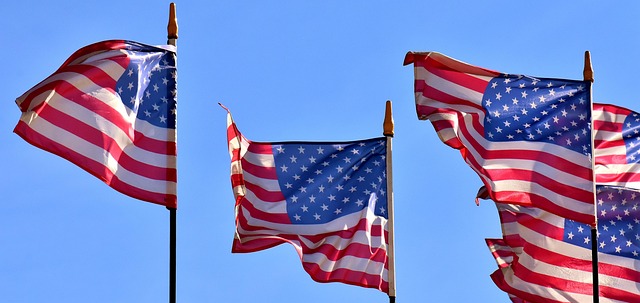
The "We the People" flag, often referred to as the American flag, holds an iconic place in the nation's history and symbolism. Its design, with 13 stripes alternating red and white, and 50 stars representing the states, serves as a powerful reminder of the ideals upon which the United States was founded – democracy, liberty, and unity. This flag, through its evolution over time, has become an internationally recognized symbol of freedom and has played a significant role in shaping American identity.
The historical significance of the "We the People" flag is deeply rooted in the nation's struggle for independence and the principles enshrined in the Constitution. The original design, adopted in 1777, featured 13 stars and stripes to represent the initial colonies. As new states joined the Union, the flag underwent modifications, with each addition of stars symbolizing the growth and diversity of the nation. This process of flag restoration, driven by a collective desire to honor and celebrate democratic values, reflects the ongoing commitment to the ideals of democracy that are at the heart of American culture.
Beyond its historical context, the symbolism of the flag is deeply ingrained in American consciousness. The stars and stripes serve as tangible representations of the diverse communities that make up the nation, emphasizing the unity in diversity that has always been a cornerstone of American identity. Moreover, the "We the People" mantra, inherent in the flag's design, underscores the democratic principles of participation, equality, and collective responsibility – values that have guided the nation through periods of transformation and turmoil. By embracing and honoring this symbol, Americans are not only preserving their history but also reinforcing the symbolism of democracy on a national and global scale.
To truly appreciate and honor the "We the People" flag, individuals can engage in various actions. Visiting historical sites, participating in flag restoration services, or even incorporating American flag-themed art into personal spaces can be meaningful ways to connect with this iconic symbol. Understanding the symbolism behind each element of the flag, from the stripes to the stars, allows for a deeper appreciation of its role in shaping and reflecting American culture. Ultimately, the "We the People" flag serves as a constant reminder of the shared values and aspirations that unite us as a nation – values that continue to inspire and guide Americans today.
Understanding American Flag's Design Principles
The design of the We the People American flag embodies the essence of a nation's unity and diversity. This symbolically rich flag is more than just a piece of cloth; it represents the collective spirit and aspirations of its people. When examining its principles, one discovers a profound connection to American values and history. The flag's creators aimed to convey the idea that America belongs to its citizens, fostering a sense of ownership and pride.
At its core, the We the People flag utilises vibrant colours and bold imagery to represent the varied cultures and backgrounds that make up the United States. Red, white, and blue—traditional colours of American flags—are prominent, signifying courage, purity, and justice. The flag's centrepiece often features a stylized image of the American people, depicted as hands joining together or a diverse group under a common symbol, emphasising unity in diversity. This design choice mirrors the national anthem's lyrics, "from sea to shining sea," encompassing the vast and varied landscape and its inhabitants.
National flags, like the We the People American flag, serve as powerful tools for nation-building and fostering a shared identity. They become symbols of patriotism and community, inspiring a sense of belonging and purpose among citizens. Websites like Ultimate Flags, dedicated to flag design and production, often showcase custom flags that reflect specific themes and values, demonstrating the ongoing evolution of national symbolism. By understanding the design principles behind iconic flags, we can appreciate their role in shaping our collective consciousness and fostering a deeper connection to our nation's heritage.
Symbolism: What Does the Flag Represent?
The "We the People" flag, also known as the American flag, is a powerful symbol of national identity and unity. Beyond its vibrant colors and stars and stripes, each element of the flag carries profound symbolism, representing the collective ideals, history, and aspirations of the United States of America. This section delves into the intricate meaning behind the iconic design, exploring what it represents for both individuals and communities across the nation.
The American flag's primary symbol—the stars and stripes—evokes a sense of belonging and diversity within a shared framework. The 50 white stars on a blue field represent the 50 states that make up the USA, emphasizing national unity in a vast and varied landmass. Similarly, the 13 alternating red and white stripes recall the original 13 colonies, symbolizing the foundation of American independence and democracy. This historical accuracy in flag reproduction is crucial for preserving not just an aesthetic representation but also the stories and sacrifices that have woven the nation's tapestry. Places like Ultimate Flags play a vital role by offering high-quality flags that capture both the beauty and symbolic depth of these iconic designs.
Furthermore, the "We the People" motto, inscribed on the seal in the flag's canton, underscores the democratic principles that underpin American society. It emphasizes the power and responsibility of the citizens to shape their nation and uphold its values. This symbolism is especially powerful when considered alongside historical events like the American Revolution and the subsequent shaping of the Constitution—testaments to the enduring commitment to liberty and self-determination that continue to resonate in flag design and symbolism. By embracing the symbolic meaning behind the flag, Americans can foster a deeper appreciation for their shared history and values, enabling them to navigate the complexities of modern times with unity and purpose.
The Fabric and Craftsmanship Behind the Banner
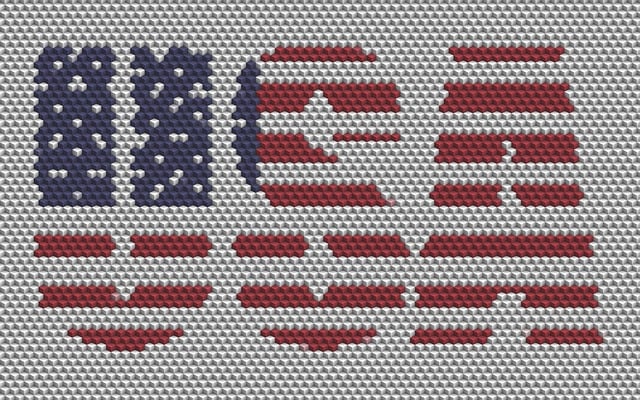
The creation of a flag, particularly one as iconic and deeply symbolic as we the people American Flag, involves an intricate blend of artistry and craftsmanship. When considering the fabric and construction of these banners, one discovers a story woven into every thread—a testament to the principles of democracy they represent. Each custom-made we the people flag is not merely a piece of cloth but a visual manifestation of the nation's identity, history, and values.
The primary materials used in constructing these flags are meticulously chosen to ensure durability and aesthetic appeal. High-quality polyamide or nylon fabrics are commonly utilized due to their resistance to fading and tearing, allowing the we the people symbols to remain vibrant over time. The artistry begins with precise cutting of the fabric to create the flag's unique design elements, including the stars and stripes that form its iconic pattern. Skilled artisans then meticulously stitch these pieces together, employing traditional sewing techniques that have been refined over generations. This meticulous craftsmanship ensures the flag's strength and longevity, making it a suitable symbol to represent the enduring nature of democratic ideals.
For instance, when custom-making flags for special events or official ceremonies, flag makers often incorporate additional symbols of democracy alongside the standard design. These may include historical emblems, national symbols, or even quotes from the National Anthem, enhancing the banner's meaning and significance. By combining high-quality materials with expert craftsmanship, these custom-made we the people flags become cherished heirlooms, passing down through generations as a physical representation of America's democratic heritage.
Flag's Evolution Through Time and Movements

The evolution of the We the People American flag serves as a powerful testament to the nation's rich history and its people's enduring spirit. This iconic symbol has undergone significant transformations over time, reflecting various social, political, and cultural movements. From its humble beginnings as a simple representation of unity, the flag has morphed into a dynamic artifact that encapsulates the diverse voices and aspirations of Americans.
In the early days of American democracy, the concept of a national flag was not immediately embraced. However, as the nation's identity solidified, so did the desire for a symbol that represented the collective will of We the People. The vintage We the People flags of yesteryear often featured stark designs with bold colors, reflecting the ideals of revolution and freedom. These early iterations were more than just flags; they became rallying points for movements seeking to redefine and protect American values. As time progressed, the flag's design began to incorporate intricate details, including stars and stripes that symbolized the ever-growing union and the diverse tapestry of its citizens.
The 20th century saw a surge in the popularity of We the People flags, particularly during times of social change and political activism. They became a cultural expression of resistance and unity, often seen at protests and community gatherings. Ultimate Flags, similar online stores, capitalized on this trend by offering a wide array of vintage-inspired designs that resonated with Americans across generations. Today, these flags are not merely collectibles but serve as visual reminders of the ongoing struggle for equality and justice. For instance, the addition of diverse racial and ethnic groups in modern iterations reflects the nation's commitment to inclusivity, a far cry from their original, predominantly white representations.
As we look at the flag's evolution, it's evident that its design has been shaped by the collective consciousness of We the People. Each new iteration tells a story—a narrative of progress, struggle, and the enduring quest for freedom and equality. This dynamic nature of the flag ensures that it remains a relevant symbol, constantly adapting to reflect the changing face of America while preserving its core values.
Embracing Diversity: A Modern Perspective on We the People
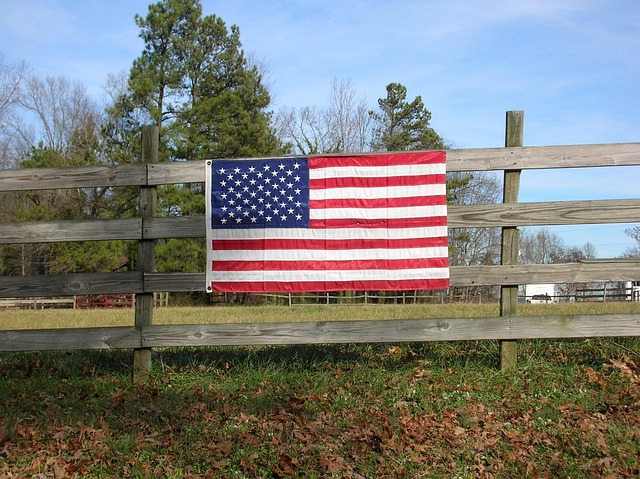
The concept of "We the People" has evolved significantly since its inception, reflecting the changing demographics and values of the American nation. Today, embracing diversity is not just a moral imperative but also a defining characteristic of our national identity. The We the People American Flag serves as a powerful symbol of this evolution, celebrating the rich tapestry of cultures that make up modern America. This flag is more than just a piece of fabric; it's an artistic expression and a catalyst for meaningful conversations about unity in diversity.
In recent years, We the People flag tourism has gained traction, with Americans and visitors alike seeking out unique representations of their shared heritage. This trend highlights a growing desire to connect with the diverse stories that contribute to our national narrative. For instance, online stores like Ultimate Flags have experienced a surge in demand for custom flags that reflect specific cultural backgrounds, ethnic groups, and regional pride. By offering customizable options, these platforms empower individuals to claim their place within the broader American tapestry.
Art plays a pivotal role in this modern perspective of We the People. Flag art, in particular, has become a vibrant medium for exploring themes of identity, belonging, and social justice. Artists are increasingly incorporating diverse motifs, colors, and symbols into their designs, creating flags that resonate with various communities. These artistic expressions don't just adorn public spaces; they ignite conversations about historical events, cultural milestones, and the ongoing struggle for equality. For example, some artists draw inspiration from indigenous traditions, reclaiming and reimagining flag designs to assert cultural pride and foster a deeper understanding of America's rich heritage.
To fully embrace the concept of We the People, it is essential to cultivate an environment where every individual feels seen and heard. This begins with recognizing and valuing the diverse artistic expressions that emerge from our communities. Platforms like Ultimate Flags, through their online presence, contribute to this effort by offering a space for exploration and celebration. By embracing the diversity reflected in We the People flags, we strengthen our national fabric, fostering an inclusive society that celebrates both our commonalities and our distinct differences.
The "We the People" American Flag is more than a symbol; it embodies the nation's history, values, and evolving ideals of unity and diversity. By exploring its historical significance, design principles, symbolism, craftsmanship, and evolution, we gain profound insights into the flag's role as a living testament to American democracy. The article highlights how the flag has inspired movements and continues to foster a sense of belonging among diverse communities. Moving forward, embracing the "We the People" spirit encourages us to actively engage with our shared heritage, celebrate our differences, and strive for an inclusive society that lives up to the flag's ideals. This comprehensive exploration equips readers with a deeper understanding and appreciation for the enduring impact of the American Flag.