
The "We the People" American Flag represents national unity and democratic ideals, incorporating stars to symbolize diverse communities. Custom flags from sites like Ultimate Flags promote democratic spirit and celebrate diversity. The flag's historical transformations reflect America's growth, with its design encapsulating national identity. Displaying the flag indoors requires respect for its history and proper care to preserve its symbolic power as a testament to American values.
In a world where imagery speaks volumes, the "We the People" American flag stands as a powerful symbol of unity and democracy. This iconic banner, adorned with stars and stripes, represents the collective strength and diversity of our nation. However, the flag's significance often gets overshadowed by its sheer presence, leading to a loss of connection among citizens. We explore how standing tall with the "We the People" American flag can foster a renewed sense of civic engagement, reminding us all of our shared responsibilities and privileges as members of this great republic. By delving into the history, symbolism, and contemporary relevance, we offer insights that not only honor but also invigorate our national identity.
- Understanding the Symbolism of We the People
- The History Behind the American Flag's Evolution
- Design Elements: Unlocking the Flag's Meaning
- Cultural Impact and Its Role in Unity
- Raising and Displaying: A Guide for Respectful Honor
Understanding the Symbolism of We the People
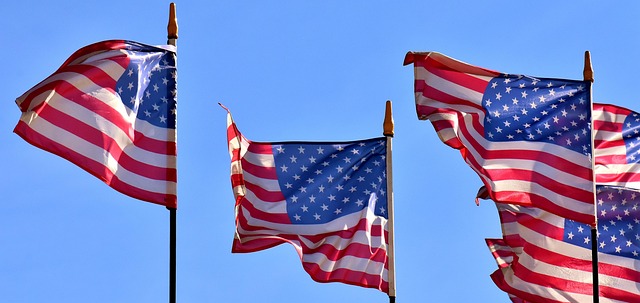
The "We the People" flag stands as a powerful symbol of American unity and democratic ideals. This variant of the traditional American flag incorporates additional stars to represent the diverse communities that make up the nation. When considering the symbolism of this particular design, it's essential to delve into the essence of what it means to be an American—a shared identity forged through collective struggle and aspirations for freedom. Each star on the "We the People" flag serves as a testament to the varied backgrounds, cultures, and beliefs that contribute to the American tapestry.
The concept behind this symbolism is not new; it reflects the original intent of the Founding Fathers who envisioned a nation where power resided in the people. The phrase "We the People" appears in the preamble to the U.S. Constitution, emphasizing the sovereignty of the citizens and their role in shaping the nation's destiny. Custom-made "We the People" flags have become increasingly popular among those looking to express this democratic spirit. Websites similar to Ultimate Flags offer a wide array of options for individuals and organizations seeking to display this unique symbol, ensuring that it remains vibrant and relevant in public discourse.
By adopting the "We the People" flag, communities can foster a sense of belonging and solidarity, reminding citizens of their shared responsibility and privilege as Americans. This act of symbolic expression transcends political affiliations; it's about embracing the diversity that makes the United States exceptional. Whether displayed in public spaces or flown proudly from homes, these custom-made flags serve as a constant reminder of the enduring values upon which the nation was founded—values worth celebrating and protecting.
The History Behind the American Flag's Evolution
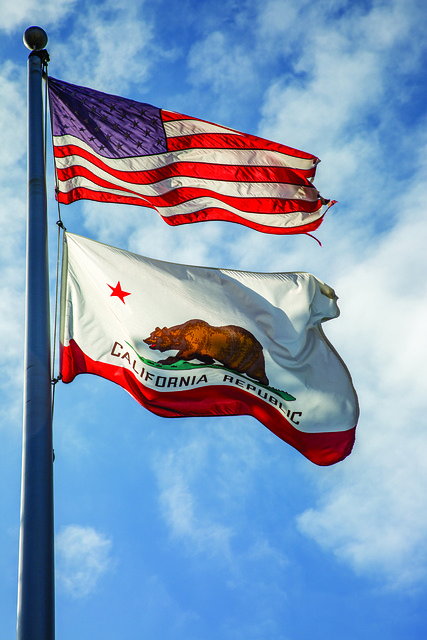
The American flag, with its iconic stars and stripes, has undergone a remarkable evolution, reflecting the nation's growth and changing ideals. At its core, the "We the People" American Flag stands as a powerful symbol of democracy and freedom, encapsulating the aspirations of a nation founded on these principles. The history behind its design and transformations offers a fascinating glimpse into America's identity and cultural expression through flags.
The evolution of the American flag began with the adoption of the first national banner in 1777, during the Revolutionary War. This original flag, known as the Stars and Stripes, featured 13 alternating red and white stripes to represent the original colonies and a blue field with 13 stars, symbolizing the states. Over time, as new states joined the Union, the flag underwent modifications, with additional stars added to reflect the growing nation. The design has evolved from the simple 1777 flag to the current 50-star version adopted in 1960, marking a significant milestone in American history.
Flags have long served as powerful cultural expressions, carrying deeper meanings beyond their visual appeal. They encapsulate the spirit and identity of a nation, fostering a sense of unity and shared heritage. The "We the People" sentiment imbedded in the American flag is a testament to this democratic ideal. Preserving historical flags, including vintage versions of the American flag, allows us to appreciate the journey that shaped our nation and understand the values that have defined America. This can be achieved through collections, museums, and community efforts to ensure these tangible links to our history remain intact for future generations.
The national anthem itself, with its reverence for the flag, further emphasizes its importance as a cultural icon. From the majestic sight of crowds waving flags at sporting events to the solemn ceremony of raising the flag on patriotic holidays, these rituals reinforce the enduring legacy of the American flag. By studying and appreciating the history behind flag designs, including the "We the People" American Flag, we can gain a deeper understanding of our shared cultural heritage and the principles that continue to shape our nation's identity.
Design Elements: Unlocking the Flag's Meaning
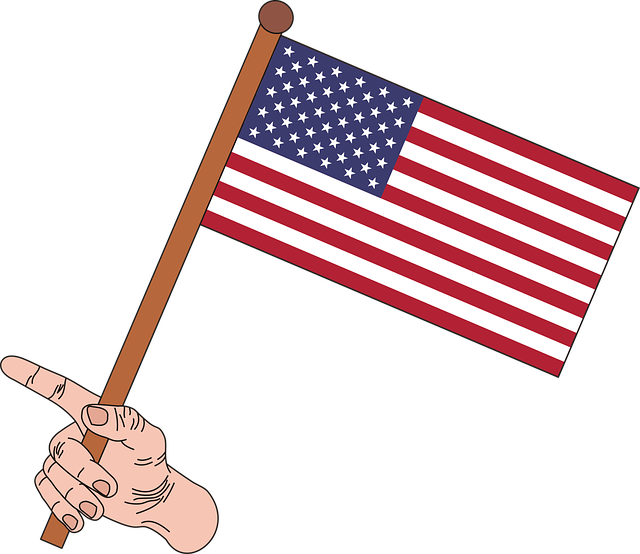
The "We the People" American Flag is a powerful symbol of national unity and democratic values. Its design elements, while seemingly simple, hold deep significance and convey a complex message. The flag, often displayed in various settings from homes to government buildings, serves as a reminder of the nation's founding principles and the collective spirit of its citizens. When examining the flag closely, one discovers that each stripe and star embodies the essence of American democracy—a concept central to the nation's identity.
The design comprises thirteen horizontal stripes, alternating red and white, representing the original thirteen colonies that fought for independence. This arrangement is a testament to the unity and resilience of these colonies in forging a new nation. Moreover, the fifty white stars on a blue field symbolize the 50 states that make up the United States of America, highlighting the country's growth and diversity. The combination of stripes and stars encapsulates the ongoing struggle for freedom and equality that has defined America's history, from its revolutionary beginnings to its evolution as a multicultural society.
Understanding the meaning behind these design elements is crucial when displaying or honoring the flag, adhering to American flag protocol. This involves respecting the flag's integrity by avoiding any physical damage or disrespectful positioning. Online stores like Ultimate Flags offer a range of high-quality flags, ensuring that individuals and organizations can access authentic products that accurately represent the "We the People" American Flag. By choosing reputable sources for purchasing flags, one contributes to the preservation of this powerful symbol and its underlying message of unity and democracy.
Cultural Impact and Its Role in Unity
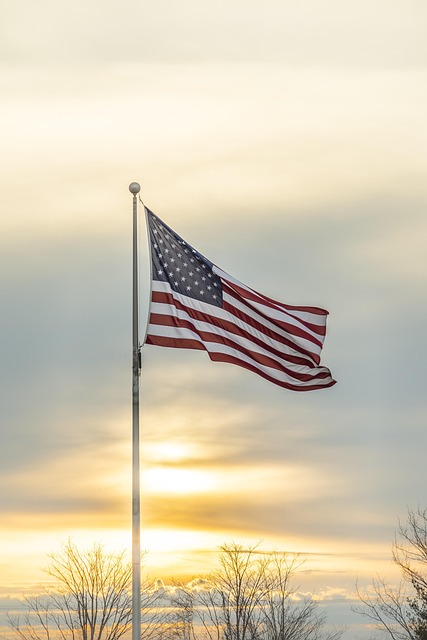
The "We the People" American flag, a symbol of unity and democracy, has had a profound cultural impact since its inception. This iconic banner, often recognized from its distinctive design featuring stars and stripes, transcends its physical form to become an embodiment of American ideals. In literature, film, and art, the We the People flag appears as a powerful metaphor for national identity and shared values. Its presence in vintage collections and historical reproductions further underscores its enduring relevance.
The cultural significance becomes particularly evident when examining how diverse communities have adopted and reinterpreted this symbol. For instance, during historical movements for civil rights and social justice, the We the People flag has been wielded as a rallying cry, reminding Americans of their shared responsibility to uphold democratic principles. Similarly, these flags find new life in personal collections, where they serve as tangible connections to America's history and its evolution. This cultural impact is not merely aesthetic; it actively fosters unity by creating common ground and encouraging dialogue.
To fully appreciate the We the People flag's role in fostering unity, one must consider its versatility in both historical and contemporary contexts. Reproductions of historical flags allow individuals and institutions to engage with America's past, while also providing a means for educational outreach. By integrating these symbols into public spaces and cultural events, communities can promote understanding and respect among diverse populations. This approach not only preserves history but ensures that democratic values remain vibrant and accessible to all Americans.
Raising and Displaying: A Guide for Respectful Honor
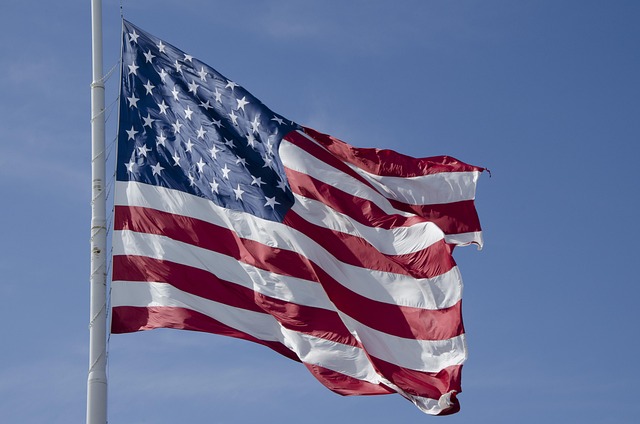
Raising and displaying the We the People American flag is a profound act of civic honor and respect for our nation's history and values. This guide offers an in-depth look at ensuring this symbol of unity and freedom is properly honored, especially when displayed indoors. The We the People flag, with its intricate design reflecting America's diverse tapestry, has evolved alongside our country. Through historical contexts, from bustling revolutionary towns to modern tourist destinations, it has been a beacon of democracy and liberty.
When displaying this iconic flag indoors, whether in homes, schools, or public spaces, several considerations come into play. First, understand the flag's significance—it represents the collective spirit of Americans and their commitment to the principles enshrined in the Constitution. This awareness fosters a sense of reverence and encourages respectful handling. For instance, when hanging the flag, ensure it is properly cleaned and pressed to maintain its dignity. Always display it at the appropriate height relative to other flags or decorations, symbolizing the importance of equality among all citizens.
Moreover, indoor settings offer unique challenges for flag preservation. The environment must be controlled to prevent degradation from factors like sunlight, humidity, or dust. Many institutions have dedicated teams who oversee historical American flags, ensuring their longevity through careful storage and occasional restoration. For homeowners, this might involve investing in flagpoles with protective covers or using display cases to safeguard the fabric. Regular inspection and cleaning are essential practices to maintain the flag's integrity, preserving it for future generations of tourists and citizens alike.
To truly honor the We the People American flag, consider its historical journey—from early colonial gatherings to modern-day celebrations—and the stories it tells. This perspective enables a deeper appreciation for the symbolism and fosters a sense of connection to our nation's past, present, and future. By following these guidelines, individuals and communities can contribute to the preservation and respectful display of this powerful symbol, enhancing its impact as a testament to American ideals.
The "We the People" American Flag stands as a powerful symbol of unity, history, and democratic ideals. By understanding its symbolism, rich history, and design elements, we gain a deeper appreciation for its cultural impact. This article has illuminated how the flag serves as a unifying force, evoking pride and patriotism. Its display should be guided by respectful practices, ensuring honor and remembrance. Moving forward, readers are equipped with knowledge to engage with this iconic symbol, fostering a stronger connection to their nation's heritage and the principles it represents.