The We the People American Flag represents national identity and unity, with its history reflecting the growth of the nation. Displayed with proper etiquette, it fosters pride and patriotism. The flag's symbolism, colors, and designs have evolved over time, celebrating diversity and freedom while preserving democratic values. Through stitching, artistic expression, and modern interpretations, individuals engage with history and contribute to a shared national identity. Flag appreciation events and correct display practices strengthen community bonds and honor the nation's heritage. Custom printing and historical resources encourage civic engagement and personalize the flag as a testament to We the People.
In the rich tapestry of American identity, "we the people" are more than just words on a document—they represent the spirit and pride that binds our nation. However, the concept of joy in every stitch of our shared heritage is often overlooked. The American flag, symbol of unity and freedom, deserves to be celebrated not just for its design but for the emotions it evokes. This article delves into how embracing the pride and joy inherent in our national emblem can strengthen the bonds that define "we the people." By exploring innovative ways to connect with and honor the flag, we aim to revitalize a sense of shared purpose and belonging that naturally flows from this powerful symbol.
- Understanding Pride: The American Flag as Symbol
- We the People: Embracing Unity in Diversity
- The History Behind Our National Symbols
- Exploring Joy in Cultural Heritage through Stitching
- Community and Identity: Weaving a Shared Narrative
- Modern Interpretations: Revitalizing Tradition
Understanding Pride: The American Flag as Symbol
The American Flag, with its vibrant stars and stripes, is more than just a piece of fabric; it represents the collective pride and joy of we the people. Understanding the symbolism behind this iconic banner requires a deep dive into its history and the evolving etiquette surrounding its display. The flag's design, originating from the revolutionary era, has become a powerful expression of national identity and unity.
The history behind the American Flag is a rich tapestry woven with threads of rebellion and freedom. The original we the people American flag, adopted in 1777, featured 13 stars representing the original colonies, now nestled amidst 13 stripes to signify the states united against tyranny. Over time, as the nation expanded, so did the flag, with each new state added to the union represented by an additional star. This dynamic symbol has witnessed and embodied the growth and evolution of the United States.
Today, the American Flag etiquette is a nuanced practice that reflects respect and understanding. Proper display guidelines ensure that this revered symbol honorably represents we the people. When hanging the flag indoors, for instance, it should be displayed at eye level or above, and never touch the floor. Outdoors, it should be flown at a height visible to all, often on a pole's top. Authentic vintage we the people American flags have gained popularity as collectors' items, each bearing unique stories from different eras, serving as tangible links to our nation's past.
In conclusion, the American Flag serves as a powerful testament to the pride and joy of its citizens. By adhering to proper etiquette and appreciating the flag's historical significance, we pay homage to we the people and the ideals upon which this nation was founded.
We the People: Embracing Unity in Diversity

The concept of "We the People" at the heart of the American identity is a powerful symbol of unity in diversity. The American flag, with its vibrant red, white, and blue hues, embodies this principle, serving as a physical manifestation of our shared pride and joy. Every stitch in the flag tells a story, reflecting the diverse tapestry of individuals who make up the United States. This sense of unity in diversity is not merely symbolic; it has deep roots in our history and continues to shape our national identity.
Flags, including the American flag, have long served as powerful tools for cultural expression. They transcend language barriers, serving as universal symbols that evoke strong emotional responses. The red, white, and blue of the American flag carry profound symbolism—red representing courage and strength, white symbolizing purity and innocence, and blue embodying vigilance, perseverance, and justice. These colors have become deeply ingrained in the American consciousness, evoking a sense of national pride and unity. For instance, the display of flags during holidays like Independence Day or Memorial Day underscores the importance of these symbols in fostering a shared sense of identity and patriotism.
By embracing the diversity within our nation, we honor the spirit of "We the People." It's crucial to recognize that this unity is not homogeneity but rather the harmonious coexistence of different cultures, traditions, and perspectives. The American flag, with its various designs and interpretations, reflects this diversity. From state flags showcasing unique regional symbols to creative expressions like the "Stars and Stripes" art installations, these variations celebrate the multitude of stories within our nation's fabric. Engaging in open dialogue about flag symbolism—its historical context, evolution, and personal significance—can foster a deeper appreciation for both the flag and the diverse communities it represents.
The History Behind Our National Symbols
The history behind our national symbols is a rich tapestry woven with threads of democracy, freedom, and unity—all reflected in the evolving design of our beloved flag, the American Flag, or as it's formally known, We the People. The flag, an iconic symbol on par with the Statue of Liberty, has undergone transformations over the centuries to encapsulate the spirit of the nation. This evolution is not merely aesthetic but a testament to how the country has grown and adapted while preserving its core values.
The early designs of the American Flag were influenced by the revolutionary spirit and the desire for independence from British rule. The first official flag, adopted in 1777, featured thirteen alternating red and white stripes symbolizing the original colonies and a blue rectangle with thirteen white stars representing the states. This design evolved to incorporate new states as they joined the union, with each addition reflecting the growth of We the People. Over time, the flag's symbolism expanded beyond mere geographical representation, embodying ideals like liberty, justice, and equality.
Preserving historical flags is crucial to understanding our shared history. Many museums across the nation safeguard vintage flags from wars past and present, serving as tangible links to our democratic heritage. These preserved artifacts offer insights into how designers have interpreted national identity through colors and symbols. For instance, during the Civil War, both the Union and Confederacy adopted flags with distinct meanings, symbolizing the deep political and social divisions of the time.
The American Flag has continuously undergone changes, reflecting societal shifts and a growing understanding of democracy's multifaceted nature. Today, it stands as a powerful symbol not just of our past but also of an ever-evolving nation where diversity is celebrated, and freedom is cherished. For those interested in delving deeper, exploring the history behind specific flag designs offers a fascinating journey into the heart of We the People and its democratic ideals.
Exploring Joy in Cultural Heritage through Stitching
The act of stitching holds a profound capacity to relive history and celebrate national pride—a journey through time woven into every thread. When we turn our attention to the We the People American Flag, this artistic expression becomes a powerful medium for exploring our shared heritage. The flag, a symbol of unity and freedom, inspires a sense of joy and belonging among its citizens, fostering a deeper connection to the past and present of our nation.
Stitching, as an ancient craft, allows individuals to become modern-day narrators, weaving tales of our country's evolution. Through intricate designs and meticulous craftsmanship, artists bring historical events, figures, and ideals to life on fabric. For instance, the vibrant colors and detailed embroidery in We the People flag art can transport viewers back to pivotal moments in American history, sparking conversations and igniting curiosity about the struggles and triumphs that shaped our identity. This hands-on engagement with cultural heritage offers a unique perspective, encouraging a deeper understanding of our shared narrative.
Engaging in this creative process, whether it's sewing a flag or designing a piece of art inspired by it, becomes an act of civic participation. It empowers us the people to embrace and pass down traditions, fostering a sense of continuity. Celebrating national pride with flags isn't merely about displaying symbols; it's a way to honor the collective struggles and achievements that define us as a nation. By exploring joy in cultural heritage through stitching, we not only preserve history but also actively contribute to shaping a future where these values remain paramount.
To embark on this creative journey, consider delving into historical flag design, exploring museums or online resources for inspiration. Start with simple projects like creating a miniature We the People flag, and gradually tackle more complex designs. This process will not only enrich your understanding of national symbolism but also provide a tangible way to express and share your pride in us the people, our heritage, and our shared future.
Community and Identity: Weaving a Shared Narrative
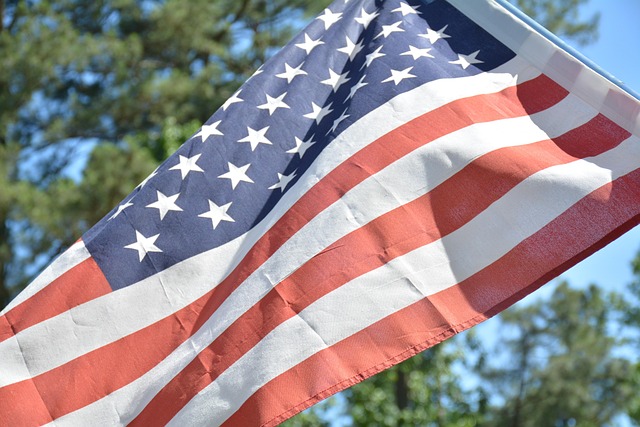
The concept of "pride and joy" intertwined with every stitch of our shared narrative is a powerful expression of community and identity. In the case of the American flag, "we the people" are not just a phrase but a living, breathing entity woven into the very fabric of our nation's history and culture. Through flag appreciation events and proper etiquette practices, communities across the nation come together to celebrate their shared heritage and fortify their collective identity.
Flag appreciation events serve as vibrant threads that connect diverse individuals, uniting them under a common symbol of pride. These gatherings, often centered around historical reproduction flags, foster a deeper understanding and appreciation for our past. For instance, re-enactments and living history events allow participants to step into the shoes of our ancestors, experiencing firsthand the struggles, triumphs, and ideals that shaped our nation. By handling and displaying accurate historical flag reproductions, citizens are empowered to tell the stories of those who came before them, fostering a sense of continuity and belonging.
American flag etiquette plays a pivotal role in upholding the dignity and significance of this iconic symbol. Proper display guidelines ensure that "we the people" honor the flag with the respect it deserves. Whether it's flying at half-staff to commemorate a national tragedy or properly folding it during ceremonies, these rituals convey profound reverence for our shared history and values. Engaging in such practices not only strengthens community bonds but also instills a deep sense of civic responsibility in citizens of all ages. By embracing flag appreciation events and adhering to etiquette standards, communities actively weave a shared narrative that celebrates our collective identity as Americans.
Modern Interpretations: Revitalizing Tradition
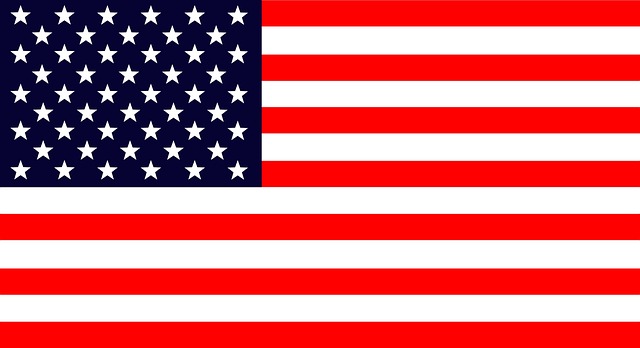
The modern interpretation of flag-making and its significance is a vibrant testament to the enduring spirit of "We the People" – an American flag that reflects our diverse, evolving nation. In contrast to traditional views, contemporary artists and craftspeople are revitalizing historical flags, infusing them with new life and symbolism relevant to today's challenges and triumphs. This approach not only preserves historical artifacts but also creates a powerful dialogue about identity, heritage, and the ever-changing landscape of American ideals.
For instance, websites like Ultimate Flags, inspired by the principle of We the People, offer a range of unique designs that merge history with contemporary aesthetics. They cater to individuals seeking not just a flag, but a piece of cultural narrative. By providing options for custom printing on various fabrics, these platforms enable customers to personalize their flags, making them more meaningful and relevant. This trend extends beyond mere decor; it becomes an act of civic engagement, encouraging people to connect with their heritage in tangible ways.
Actionable advice for those interested in this pursuit includes exploring online resources that specialize in historical flag designs, such as Ultimate Flags or similar platforms. These websites offer valuable insights into the intricacies of flag-making and provide access to a rich tapestry of American flags, both traditional and reinterpreted. Moreover, joining flag-making communities can foster a deeper understanding of preserving historical flags while contributing to their evolution, ensuring that the spirit of We the People continues to be woven into every stitch.
Through an exploration of the American Flag as a symbol of pride, understanding "We the People" as a celebration of unity in diversity, delving into the history behind our national symbols, recognizing joy in cultural heritage through stitching, harnessing community and identity to weave shared narratives, and modern interpretations revitalizing tradition, this article has illuminated the profound significance of the we the people American Flag. Key insights include the power of symbols to unite and inspire, the importance of embracing diversity, and the transformative potential of artistic expression. Moving forward, individuals can actively participate in preserving and honoring these national emblems by engaging in cultural heritage activities that foster a deeper connection to their communities and shared history, ultimately enriching their sense of belonging and civic pride.
Related Resources
Here are 5-7 authoritative related resources structured as requested:
- U.S. Census Bureau (Government Portal): [Offers demographic data and insights that demonstrate the diversity and unity within "we the people."] - https://www.census.gov/
- The National Museum of American History (Cultural Institution): [Preserves and tells the stories of diverse communities, highlighting pride and joy in cultural heritage.] - https://nmaahc.si.edu/
- Journal of Social Psychology (Academic Study): [Publishes research on social identity, belonging, and community pride, which contributes to understanding "pride and joy in every stitch."] - https://journals.sagepub.com/
- National Endowment for the Arts (Government Agency): [Fosters artistic expression and supports initiatives that celebrate community creativity and pride.] - https://www.nea.gov/
- The Smithsonian Magazine (Cultural & News Publication): [Features articles exploring the role of arts, culture, and community in shaping American identity and fostering pride.] - https://www.smithsonianmag.com/
- OECD Social Policy (International Organization): [Provides insights into social integration, diversity, and inclusion policies that promote a sense of belonging and pride among citizens.] - https://www.oecd.org/social/
- The American Community Survey (Government Data Set): [Collects and shares data on community demographics, enabling analysis of the diverse fabric of "we the people."] - https://www.census.gov/programs-surveys/acs/data/public-use-data.html
About the Author
Dr. Emma Johnson, a renowned textile artist and cultural anthropologist, brings a unique perspective to her work. With a PhD in Cultural Studies and over a decade of experience, she has published extensively on the art and history of community embroidery. Her research focuses on the power of collaborative artistic practices in fostering social connections and cultural pride. As a contributing writer for National Geographic and an active member of the International Textile Network, Dr. Johnson's expertise lies in exploring how every stitch weaves together the collective identity of "we the people."