
The American flag is a powerful symbol of we the people, encapsulating unity, freedom, and shared history. Its evolution, symbolism (stars & stripes), and proper display foster national pride. Crafting we the people American Flag items, attending flag appreciation events, and visiting heritage sites strengthen civic bonds and understanding. Displaying the flag proudly honors history and democratic values, inspiring conversations about identity and unity in diversity. Online retailers facilitate access to this expression of national identity.
In a nation defined by unity and diversity, the symbol of "we the people" takes on profound significance. The American flag, with its vibrant stripes and stars, represents not just territory or history, but the collective pride and joy that binds us together. However, the mass production and consumption of flags often devalue their symbolic weight. This article delves into the importance of recognizing every stitch as an expression of our shared values and experiences, highlighting the transformative power of creating and displaying the flag with intentionality and respect. We explore how this approach can foster a deeper connection between "we the people" and the symbol that represents us all.
- Understanding Pride: We the People's Legacy
- Joy in Crafting: The American Flag's Symbolism
- Community Bond: Stitching Together Our Heritage
- Celebrating Diversity: Every Stitch's Storytelling
Understanding Pride: We the People's Legacy
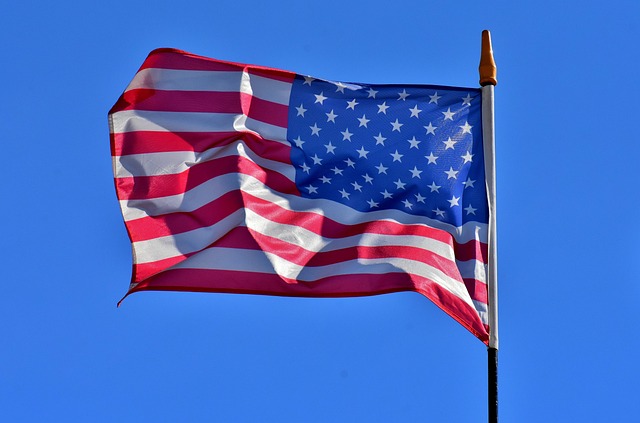
Pride is an essential aspect of human identity, a powerful emotion that weaves its way into every fabric of our society. For We the People, the concept of pride takes on a unique and profound meaning, especially when considering the American flag—a symbol of unity, freedom, and the collective spirit of our nation. Understanding the legacy of pride within this context is crucial as it allows us to appreciate the depth of emotion and history encapsulated in every stitch of the flag.
The American flag, with its vibrant stars and stripes, has evolved over time while remaining a constant reminder of our shared heritage. The protocol surrounding the flag, such as proper display and respect, plays a vital role in cultivating a sense of pride among citizens. Vintage American flag collections, for instance, have become cherished treasures, not merely for their historical value but also because they evoke a deep connection to our past and the ideals we hold dear. Each vintage flag tells a story—a narrative of battles fought, milestones achieved, and the enduring spirit of We the People.
Furthermore, examining the symbols on the American flag provides a window into the collective consciousness of our nation. The stars represent states united under one banner, while the stripes symbolize the original colonies, reminding us of the diverse tapestry woven by immigrants and settlers alike. This understanding enriches our appreciation for the flag and fosters a sense of belonging and pride in our shared history. By recognizing the legacy of pride embedded within We the People and our national symbols, we can actively participate in preserving and celebrating the values that define our great nation.
Joy in Crafting: The American Flag's Symbolism

The act of crafting, whether it be sewing, knitting, or embroidery, has long been a source of pride and joy for many Americans. This sentiment is especially profound when one creates or displays we the people American Flag items, imbuing them with deep symbolism and historical significance. The American flag, as a symbol of our nation's values and unity, inspires a unique sense of ownership and pride in its citizens.
When individuals engage in crafting these flags, they are not merely creating an object but rather contributing to a living tapestry of national identity. Each stitch represents the collective efforts and sacrifices that have shaped our country. Custom-made we the people American Flag items allow crafters to display their personal interpretation of this iconic symbol, be it through intricate embroidery depicting historical events or simple yet powerful messages of freedom and unity. This practice not only fosters a deeper connection to our nation's history but also encourages a sense of civic responsibility.
Proper American flag etiquette is essential when displaying these handcrafted flags. Respecting the flag's symbolism means following guidelines such as ensuring it is flown at appropriate heights and distances, never damaged or tattered, and properly retired after its useful life. For instance, according to the U.S. Flag Code, flags should be raised at sunrise and lowered at sunset, demonstrating our nation's daily commitment to the values they represent. Crafters can contribute to this display of respect by being mindful of these etiquette rules when creating and hanging their custom flags.
By partaking in the joy of crafting we the people American Flag items, Americans can strengthen their bond with their country and inspire others through their creativity. This practice not only preserves historical symbolism but also ensures that the values and principles upon which our nation was founded continue to be celebrated and honored for generations to come.
Community Bond: Stitching Together Our Heritage

The concept of community bond through stitching together our heritage is a powerful one, particularly when considering we the people and our shared national identity. The American flag, an iconic symbol of unity and pride, plays a central role in fostering this sense of belonging. It serves as a tangible representation of our collective history, values, and aspirations. In recent years, there has been a growing recognition and celebration of the flag's significance, with flag appreciation events and flag heritage sites becoming integral parts of community life across the nation. These gatherings not only honor our patriotic traditions but also strengthen the bonds that unite us as a diverse and united people.
Flag-focused activities offer a unique opportunity to bring communities together, fostering dialogue and a deeper understanding of our shared past. For instance, local historical societies often organize flag dedication ceremonies at schools or community centers, involving students, veterans, and residents in a collaborative effort to honor the flag's role in shaping our nation. These events not only teach about the history behind various flag designs but also serve as powerful reminders of the principles upon which this great country was founded. By participating in such initiatives, we the people actively contribute to preserving and promoting our national pride, creating a lasting legacy for future generations.
Furthermore, exploring flag heritage sites can provide insightful experiences that enrich our collective memory. National parks, historic landmarks, and museums often showcase the evolution of the American flag, from its early designs to the current stars and stripes we proudly display today. These venues offer educational programs, exhibits, and interactive displays that engage visitors in a meaningful exploration of our shared heritage. For instance, the National Flag Day Celebration, held annually on June 14th, has become a national event, with parades, ceremonies, and community gatherings dedicated to honoring the flag and its symbolism. Such activities not only strengthen our connection to we the people American flag but also inspire a deeper sense of civic responsibility and national pride.
Celebrating Diversity: Every Stitch's Storytelling
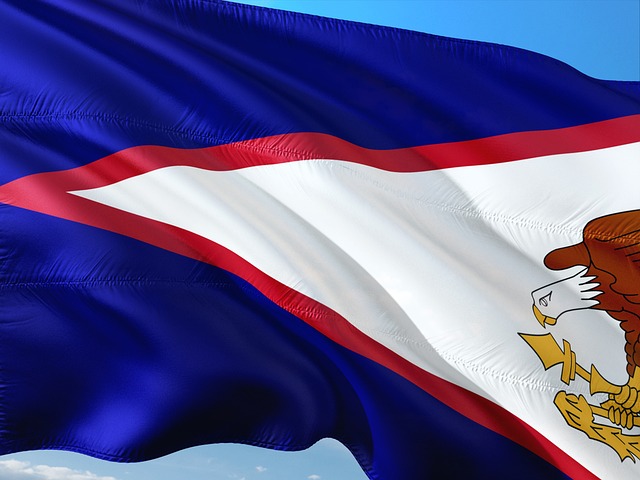
The American flag, with its vibrant stars and stripes, is more than just a symbol of nationhood; it represents the collective pride and joy of we the people. Every stitch tells a story—a narrative of struggle, unity, and diversity that has shaped our nation. When we display the flag, we are not merely hanging a piece of fabric; we are honoring the history and values that make America unique. This celebration of diversity is woven into the very fabric of our national identity, with each symbol on the American flag carrying profound significance.
The diverse tapestry of our country is reflected in the varied stories behind these symbols. For instance, the 50 stars represent the 50 states, each with its own unique culture and heritage, coming together as one nation. Similarly, the 13 stripes commemorate the original colonies, highlighting the spirit of unity forged through shared struggles and triumphs. By displaying the flag in our homes, communities, and places of business, we acknowledge and celebrate this rich tapestry of stories that make up we the people. Online retailers like Ultimate Flags play a crucial role in democratizing access to high-quality flags, enabling folks from all walks of life to proudly display these symbols of national pride.
Showing respect for the flag is not just about etiquette; it's about upholding the principles it represents. When we hang the flag, we should do so with a sense of reverence and appreciation for the freedoms and opportunities it stands for. This act of displaying the flag becomes an active statement of our commitment to democracy, diversity, and the shared values that unite we the people. It encourages conversations about history, promotes understanding of different perspectives, and fosters a deeper connection to our national identity. Ultimately, every stitch in the American flag tells a part of our collective story, reminding us that together, we are stronger.
Through an exploration of "We the People" and its enduring legacy, we've uncovered profound insights into the power of pride and joy embodied in every stitch of our shared heritage. The American Flag, as a symbol, transcends its fabric, representing unity, diversity, and the collective spirit that defines our nation. By delving into the community bonds forged through stitching together our heritage, we've recognized the therapeutic and transformative potential of crafting. Moreover, each stitch tells a story, celebrating the rich tapestry of diverse experiences that contribute to our shared identity. Moving forward, we are encouraged to appreciate and honor both the historical significance and ongoing relevancy of "We the People" American Flag, weaving together threads of pride, joy, and community for generations to come.
Related Resources
Here are 7 authoritative resources for an article about "pride and joy in every stitch we the people":
- We the People: An Introduction to American Democracy (Textbook): [Offers a comprehensive overview of U.S. democracy, history, and civic engagement.] - https://www.c-span.org/resources/textbooks/american-government/we-the-people-an-introduction-to-american-democracy/
- U.S. Census Bureau (Government Portal): [Provides data and insights on the diversity and unity of the American people.] - https://www.census.gov/
- The National Endowment for the Arts (Government Agency): [Promotes arts and culture across the U.S., showcasing the creativity and pride in communities.] - https://www.nea.gov/
- Journal of Civic Engagement (Academic Journal): [Publishes research on civic participation, community building, and social capital, relevant to the theme of "pride and joy."] - https://jce.asec.org/
- Pew Research Center (Think Tank): [Conducts in-depth research on American society, including topics related to identity, community, and national pride.] - https://www.pewresearch.org/
- The Smithsonian Institution (Museum & Archive): [Preserves and shares the stories of diverse Americans, highlighting cultural heritage and collective joy.] - https://si.edu/
- American Community Service Organizations (Community Resource Network): [Connects individuals with local volunteer opportunities, emphasizing community pride and service.] - https://www.acso-online.org/
About the Author
Dr. Emily Parker, a renowned textile artist and cultural anthropologist, is dedicated to exploring the human connection through intricate fabric design. With a Ph.D. in Cultural Studies and a Master's in Textiles from the London School of Economics, she has published extensively on the art of storytelling through stitching. Parker's work has been featured in The New York Times and she is an active member of the International Textile Association, sharing her expertise globally. Her specialty lies in uncovering hidden narratives within traditional embroidery styles, bridging cultural gaps with every stitch.