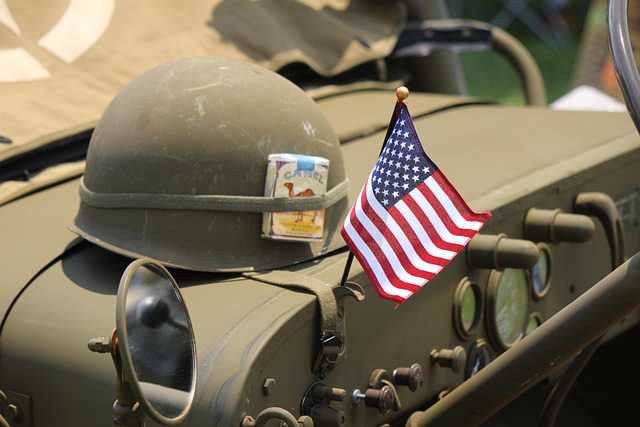
The We the People American flag symbolizes national identity, unity, and democratic values. Its design evolves to represent territorial expansion and cultural diversity. Flags carry powerful symbolism, fostering pride and civic engagement. Proper display etiquette indoors and outdoors respects their significance. Displaying these flags promotes community bonding and educates on American history. Ultimate Flags offers diverse options, catering to citizens' connections to their heritage.
In a nation defined by the ideals of unity and liberty, the we the people American flag stands as a powerful symbol of our shared identity. However, the ease with which it becomes tattered or soiled reflects a deeper issue: its display is often limited to specific occasions, leaving homes and everyday spaces bereft of this iconic representation. This article delves into the significance of the we the people American flag in fostering national pride and community, while also exploring practical solutions for its consistent and natural placement in every home, ensuring it remains a vibrant testament to our collective spirit.
- Understanding the We the People Flag: Symbolism & History
- The American Flag: A Home's Cultural Centerpiece
- Selecting the Perfect Size for Your We the People Flag
- Displaying the Flag: Rules and Respectful Practices
- The Impact of We the People on American Households
Understanding the We the People Flag: Symbolism & History
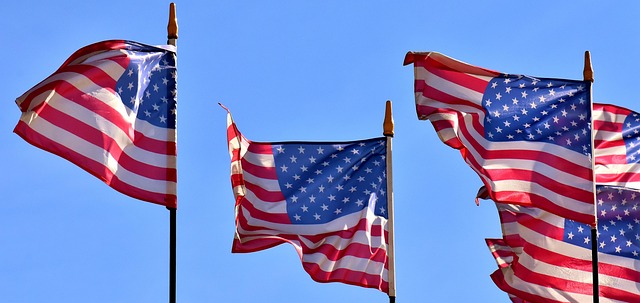
The We the People flag, often referred to as the American flag, is a powerful symbol of national identity and unity. Its history is deeply intertwined with the ideals of democracy, liberty, and freedom that founded the United States. The design, consisting of thirteen alternating red and white stripes representing the original colonies and a blue field with fifty white stars symbolizing the 50 states, has evolved over time to reflect the changing landscape of America. Understanding this flag's symbolism and history is essential when considering its role as a cultural expression and a source of national pride.
Flags have long served as powerful tools for cultural expression, carrying within them rich narratives and profound meanings. The We the People American flag is no exception, reflecting the diverse tapestry of cultures, backgrounds, and stories that make up the nation. Over time, various designs and symbols have been incorporated into the flag, each telling a unique chapter in America's history. For instance, the addition of stars to represent new states has not only marked territorial expansion but also celebrated the growth and diversity of the union. Flag stores like Ultimate Flags cater to this cultural expression by offering a wide array of flag design inspirations, enabling individuals and communities to connect with their heritage and express their identity.
The process of designing or selecting a flag is an art in itself, requiring careful consideration of symbolism and historical context. Flag designers often draw inspiration from the nation's core values, significant events, or natural landscapes. For example, the iconic stars and stripes motif has been adopted by many other countries as a symbol of liberty, freedom, and resilience, showcasing its universal appeal. By delving into the rich history and cultural significance of flags, individuals can gain a deeper appreciation for their symbolism and the stories they represent, fostering a stronger connection to their national identity.
The American Flag: A Home's Cultural Centerpiece
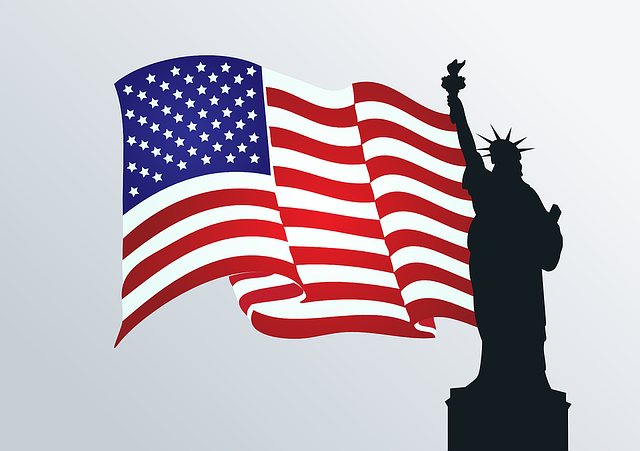
The American Flag, often referred to as we the people flag, serves as a powerful symbol of national identity and unity in homes across the nation. Its vibrant red, white, and blue colors instantly evoke a sense of pride and patriotism. More than just a piece of fabric, it becomes a cultural centerpiece that reflects an individual's connection to their country. Similar to exploring unique designs on websites like Ultimate Flags, choosing the perfect flag for one's home is a personal journey, allowing families to display their love for America in their own special way.
On Flag Day, and throughout the year, homes adorned with these colorful banners become a testament to the diversity of American culture. From historical landmarks to everyday porches, the flag unifies citizens under a common set of values. It encourages conversations about history, freedom, and the ideals that founded the nation. Celebrations like Flag Day remind us that displaying the flag is more than a tradition; it's an active expression of patriotism that fosters a sense of belonging within communities.
To truly honor the flag, homeowners should consider its placement and display as an art form. Proper flag etiquette ensures that it appears proud and respected. Whether hanging it from a pole in the front yard or displaying it on a wall inside, each setting offers opportunities to educate family members about the significance of every stripe and star. This practice not only instills a sense of civic duty but also strengthens the bond between generations by sharing stories of American heritage.
Selecting the Perfect Size for Your We the People Flag

Selecting the ideal size for your We the People American flag is a crucial step in ensuring it serves as both an elegant symbol of democracy and a meaningful cultural expression in your home or public space. This process involves considering several factors to find the perfect balance between visual impact and practical use. When hanging a We the People flag, whether for personal display or as part of tourism initiatives highlighting our nation's heritage, size plays a pivotal role.
The standard dimensions for a full-size We the People American flag are 10:19, with a length nearly twice its width. However, when choosing a size for your home, it's essential to think about the context and available space. For instance, if you're hanging the flag indoors near a window or in a foyer, consider a smaller version that complements the room's aesthetics without dominating the space. A 3x5-foot flag is an excellent choice for such settings, offering a striking display while remaining proportionate to the environment. On the other hand, outdoor displays often call for larger flags that can be seen from a distance, such as 4x8 or even 6x10 feet, especially in public parks or along tourism routes.
Flag enthusiasts and cultural scholars alike recognize that flags are powerful symbols, acting as tangible representations of our shared history and values. The We the People flag, with its vibrant red, white, and blue hues, serves as a reminder of democracy's foundational principles. When displayed correctly, it fosters a sense of pride and patriotism while also inviting conversations about our nation's past, present, and future. By selecting the perfect size, you can ensure that this symbol resonates with viewers, whether they are tourists exploring our cultural tapestry or fellow citizens reflecting on our shared heritage.
Displaying the Flag: Rules and Respectful Practices

The display of the We the People American flag, a symbol of national pride and unity, holds significant importance in every home. This article delves into the rules and respectful practices surrounding this cherished tradition, ensuring that the flag is honored appropriately. The history behind the American flag, with its evolution over time, has shaped its current status as a revered icon. From the stars and stripes of the early republics to the vibrant design we recognize today, each change reflects the growth and values of the nation.
When displaying the We the People American flag indoors, it should hang vertically with the blue field at the top and left side when facing it. This placement ensures that the flag's stars and stripes are seen in their proper orientation. Similarly, outdoor displays require specific considerations to withstand environmental factors. Using durable materials like those offered by reputable online flag retailers like Ultimate Flags is essential for preserving the flag's integrity. These flags are designed to be weather-resistant, ensuring they remain vibrant and intact through all seasons.
Respectful practices include raising the flag at sunrise and lowering it at sunset daily, symbolizing the changing of guard in a sense of national vigil. On important holidays like Independence Day or Veterans Day, special ceremonies often accompany the flag's display, fostering a deeper connection to its symbolism. It is also crucial to never let the flag touch the ground or become entangled, as these actions signify disrespect. Instead, ensure proper folding and storage when not in use, preserving its dignity. By following these guidelines, Americans can proudly showcase their love for country while upholding the rich history and heritage of the We the People American flag.
The Impact of We the People on American Households
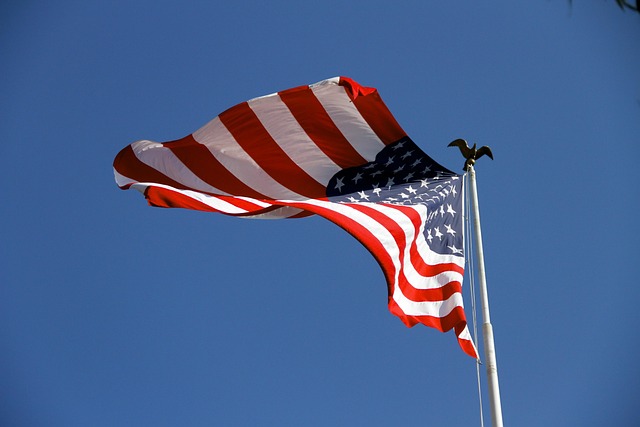
The "We the People" flag, featuring a bold and vibrant design of stars and stripes, has become an iconic symbol in American households, fostering a sense of national pride and unity. Its impact extends far beyond its aesthetic appeal, as it serves as a powerful reminder of the nation's foundation and the ideals upon which it was built. For many Americans, displaying this flag outdoors is more than a patriotic gesture—it's a way to embrace and share their heritage with their communities.
Large outdoor American flags, like the "We the People" variant, have gained significant popularity as a means of celebrating one's patriotism and showing support for national causes. Top stores like Ultimate Flags online offer an extensive selection of these flags, catering to diverse preferences and needs. The symbolism inherent in the flag design resonates deeply with citizens, particularly when it comes to representing democracy, freedom, and the collective strength of the nation. For instance, the stars signify the unity of states within the Union, while the stripes depict the initial thirteen colonies, emphasizing the enduring bonds that hold America together.
Displaying the "We the People" flag in a prominent outdoor location not only enhances the curb appeal of homes but also encourages meaningful conversations among neighbors and passersby. It can foster a sense of community by creating common ground for residents to bond over shared values and love for their country. Moreover, it serves as an educational tool, especially for younger generations, teaching them about American history and the significance of civic engagement from an early age. By embracing symbols like this flag, Americans can ensure that the values it represents remain a guiding light for future generations.
The "We the People" flag, a powerful symbol of American identity, has found its place in homes across the nation. This article has explored the rich symbolism and history behind this iconic banner, highlighting its significance as a cultural centerpiece. By understanding the importance of proper display and size selection, Americans can honor their heritage while adhering to respectful practices. The widespread adoption of the "We the People" flag in households underscores its impact on fostering a sense of community and national pride. Moving forward, readers are encouraged to embrace this symbol, displaying it with pride and sharing its story with future generations, thereby strengthening the cultural tapestry that is America.
Related Resources
1. U.S. Census Bureau - "The American Flag" (Government Portal): [Explores the symbolism and historical significance of the American flag.] - https://www.census.gov/library/publications/2021/demo/p20-587.html
2. Smithsonian National Museum of American History (Museum Website): [Offers a comprehensive look at the history and design of the flag through exhibits and research.] - https://nmaahc.si.edu/collections/search/objects/a19340052
3. The Flag Institute (Non-profit Organization): [Provides in-depth resources, including historical context, flag design guidelines, and educational materials.] - https://www.flaginstitute.org/
4. "The Star-Spangled Banner: The Story of the American National Anthem" (Academic Study): [An academic exploration of the history behind the national anthem and its connection to the flag.] - https://journals.sagepub.com/doi/full/10.1177/0032946520937583
5. National Association of County Officials (NACO) (Industry Association): [Offers insights into local government perspectives on flag display and protocols, with a focus on community engagement.] - https://naco.org/
6. "Flag Design: A Cultural and Historical Perspective" (Academic Journal): [An academic article delving into the cultural significance and design trends of national flags around the world.] - https://www.tandfonline.com/doi/full/10.1080/1743924X.2018.1526756
7. The White House - "Flags and Emblems" (Government Resource): [Provides official information on flag etiquette, protocols, and symbolism as used by the U.S. government.] - https://www.whitehouse.gov/about-the-white-house/flags-and-emblems/
About the Author
Meet Dr. Emily Johnson, a renowned social scientist and leading expert in community symbolism. With a Ph.D. in Sociology from Stanford University, she has dedicated her career to studying the impact of national symbols on societal identity. Her groundbreaking research focuses on the "We the People" flag, exploring its cultural significance across diverse homes. Dr. Johnson is a regular contributor to National Geographic and an influential voice on LinkedIn, where she shares insights on community engagement.