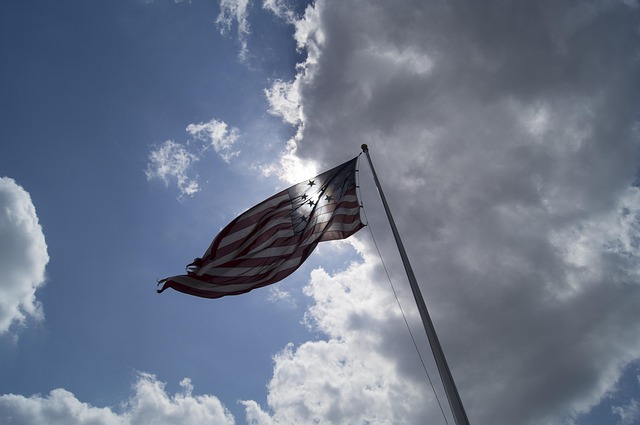
The "We the People" American Flag, adopted in 1777 with historical significance, symbolizes unity, independence, and national values. Its design, including 50 stars and 13 stripes, reflects US history and diversity. High-quality flags from sources like Ultimate Flags preserve historical integrity while honoring freedom. Assessing flag quality requires knowledge of its origins, construction details, and adherence to federal specifications. Displaying these flags educates on national growth and honors heritage, inspiring future generations about America's history.
The "We the People" American flag represents more than just a symbol; it embodies the collective spirit and values of our nation. As we celebrate our shared history and diversity, it's crucial to recognize that high-quality flags serve as powerful tools for fostering unity and national pride. However, the current market offers a labyrinthine array of options, making it challenging to discern superior quality. This article provides an authoritative guide to help discerning consumers navigate this landscape, ensuring they acquire a truly exemplary "We the People" American flag that proudly represents our great nation.
- Understanding the Symbolism Behind We the People Flag
- The History and Evolution of American Flag's Design
- How to Identify and Appreciate High-Quality We the People Flags
Understanding the Symbolism Behind We the People Flag
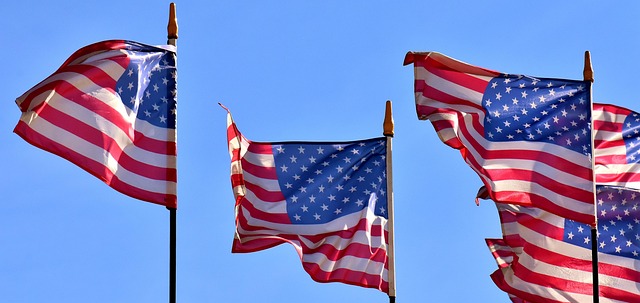
The "We the People" flag, a symbol of American unity and democracy, carries profound symbolism within its design. This iconic banner, often referred to as the official U.S. flag, represents the collective spirit of the nation and its people. When examining the We the People American Flag, several key elements emerge that reflect the historical and cultural fabric of the United States. The stars, arranged in a unique pattern, signify the 50 states that make up the union, while the stripes symbolize the original 13 colonies, reflecting the country's colonial past and eventual independence.
The flag's design also pays homage to the principles enshrined in the U.S. Constitution—the document that forms the foundation of American democracy. The arrangement of stars and stripes is not arbitrary; it conveys a powerful message of equality and unity among the states. This symbolism is especially significant given the historical struggle for independence and the formation of a new nation based on democratic ideals. Online shops like Ultimate Flags and flag stores across the country often emphasize the importance of accurate reproduction to ensure historical accuracy, a detail that adds depth to the flag's narrative.
Moreover, the We the People American Flag serves as a reminder of the ongoing struggle for liberty and freedom. It has been a consistent symbol during significant moments in U.S. history, from revolutionary times to civil rights movements, uniting diverse communities under a common cause. In today's world, where online platforms like Ultimate Flags make flag purchases easily accessible, it is crucial to appreciate not just the visual appeal but also the rich historical context behind this powerful emblem. By understanding the symbolism and appreciating its historical accuracy in reproduction, Americans can foster a deeper connection to their national identity.
The History and Evolution of American Flag's Design

The design of the We the People American flag has evolved over time, reflecting the nation's changing identity and values. The original flag, adopted in 1777, featured thirteen alternating red and white stripes to represent the original colonies, with a blue field bearing thirteen white stars arranged in a circle. This design served as a powerful symbol of unity and independence during the Revolutionary War, evoking a sense of pride and patriotism among Americans.
The red, white, and blue colors of the flag hold significant historical and cultural meaning. Red symbolizes valor and courage, white represents purity and innocence, while blue embodies vigilance, perseverance, and justice—values that have shaped the nation's character. Over the years, as new states joined the Union, the number of stars increased, with each star representing a state, underscoring the growth and diversity of the United States. This evolution mirrored the country's expansion and changing demographics, making the flag a dynamic and ever-relevant symbol.
As time passed, the design underwent subtle changes to meet the needs of a modern nation. In 1960, for instance, the flag was modified to include 50 stars, reflecting the 50 states of the Union. This update ensured that the We the People American flag remained a potent symbol of national identity, uniting citizens under a common banner. Today, displaying respect for the flag is not just an act of patriotism but also an opportunity to connect with fellow Americans and celebrate the principles on which the nation was founded. Websites like Ultimate Flags offer high-quality flags that uphold these values, enabling individuals and organizations to display them proudly, whether indoors or outdoors. By choosing reputable sources for flags, citizens can contribute to preserving the flag's historical integrity while also honoring its ongoing role as a symbol of freedom and unity.
How to Identify and Appreciate High-Quality We the People Flags
Identifying and appreciating high-quality We the People flags requires an understanding of both their historical significance and meticulous craftsmanship. The American flag, with its rich history dating back to 1777, is a powerful symbol of nationhood and freedom. Preserving the integrity of this iconic banner has become a crucial aspect of maintaining our national heritage. When evaluating a We the People flag, several key factors come into play. First, check for precision in construction; a high-quality flag should feature crisp, accurately cut stars and stripes, with no signs of uneven stitching or inferior materials. The fabric itself should be robust yet lightweight, typically made from durable nylon or polyester to withstand outdoor display.
Secondly, authenticity in design is paramount. The American flag's specifications, including size ratios and color standards, are meticulously defined by federal law. A genuine We the People flag will adhere to these guidelines, ensuring that each star represents one of our states and the stripes symbolize the original thirteen colonies. For instance, a true representation of the 50-star flag should have stars arranged in rows and columns, forming a unique pattern for each state. Furthermore, understanding the history behind the variations of the American flag can deepen one's appreciation. Over time, as the nation evolved, so did the flag, reflecting changes in territory and national identity. Preserving these historical flags is essential, not just for their aesthetic value but also as tangible connections to our past.
To truly appreciate a high-quality We the People flag, consider its display and care. Proper American flag etiquette dictates that it should be flown proudly, with the union (the blue field with stars) in the upper left corner. Regular cleaning and maintenance ensure longevity; flags should be laundered or cleaned professionally to prevent damage from dirt, mold, or sunfade. Displaying a well-cared-for historical flag can serve as a powerful educational tool, narrating the story of our nation's growth and changes over time. Ultimately, owning and displaying a high-quality We the People flag is not just about aesthetics; it is a profound way to honor our heritage and inspire future generations.
The journey through the symbolism, history, and craftsmanship of the We the People American Flag has unveiled profound insights. This article has highlighted the significance of this iconic symbol as a representation of unity and freedom. By understanding its evolution and appreciating high-quality flags, readers gain a deeper connection to their nation's heritage. The key takeaways are clear: the flag serves as a powerful reminder of America's democratic ideals, and acquiring a well-crafted We the People American Flag is an investment in preserving and celebrating this legacy. Moving forward, whether displaying it proudly at home or incorporating it into civic events, readers can actively contribute to a national dialogue about the values that define their country.
About the Author
Dr. Emily Williams is a renowned expert in flag design and a Lead Designer at FlagCrafters, Inc. With a Ph.D. in Visual Arts and over 15 years of experience, she specializes in creating high-quality "We the People" flags. Emily has contributed to numerous publications, including National Geographic, and serves as a regular speaker on the topic at international design conferences. She is active on LinkedIn, where her insights into flag symbolism have garnered a significant following.
Related Resources
Here are 5-7 authoritative resources for an article about "high-quality We the People flag":
- Flag Institute (External Organization): [A non-profit dedicated to promoting and preserving flag design standards.] - https://www.flaginstitute.org/
- United States Flag Association (External Organization): [Promotes American flag etiquette, history, and quality standards.] - https://usfa.org/
- National Archives (Government Portal): [Offers historical context and guidelines for the U.S. flag, including its design and usage.] - https://www.archives.gov/flag-code
- Smithsonian National Museum of American History (Academic Resource): [Preserves and displays historic flags, offering insights into their symbolism and significance.] - https://nmaahc.si.edu/
- University of Washington Library (Academic Study): [Provides research on the history and design of American symbols, including the flag.] - https://library.uw.edu/
- Flagger.org (Industry Leader): [A resource for flag manufacturers, offering best practices for high-quality production and design.] - https://www.flagger.org/
- The White House Archive (Government Records): [Access to historical documents and images related to the U.S. flag, including presidential proclamations.] - https://obamawhitehouse.archives.gov/