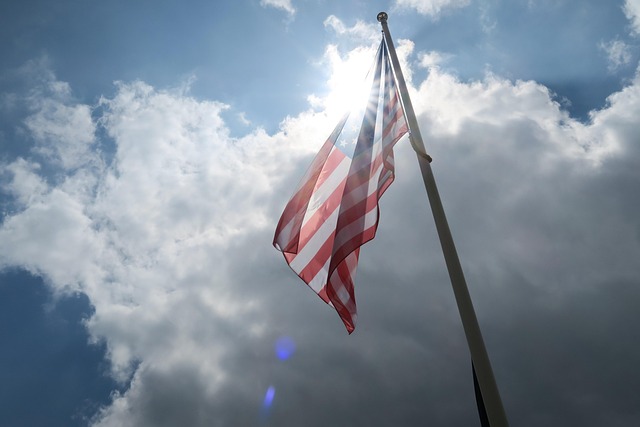
The "We the People" American flag is a powerful symbol of democracy and unity, representing the collective power of U.S. citizens. Its design and historical significance emphasize individual freedoms and shared responsibility in governance. Displaying this flag with proper etiquette fosters a deeper appreciation for America's principles and values, especially during times of division. Ultimate Flags educates the public about its symbolism, ensuring its dignity is preserved for future generations.
In a nation proud of its democratic ideals, the symbol of "We the People" American flag stands as a powerful representation of unity and freedom. However, navigating the complexities of design and meaning can be daunting. Many wonder how to stand tall with this iconic banner, ensuring it reflects the diverse and inclusive values it claims to embody. This article delves into the heart of this issue, offering a comprehensive exploration of strategies to honor and display the We the People flag authentically. By providing expert insights and practical guidance, we empower individuals and communities to elevate their flag-waving efforts, fostering a stronger sense of national pride and shared purpose.
- Understanding the We the People Flag's History
- Symbolism and Design: Unveiling Its Meaning
- The Flag's Impact on American Identity
- Hoisting with Pride: Guidelines and Etiquette
Understanding the We the People Flag's History
The "We the People" flag stands as a powerful symbol of American unity and democracy, with a history as rich and complex as the nation itself. This iconic banner, often seen at memorialization sites and flag heritage locations across America, has evolved over time to represent not just a country's past, but its present aspirations and shared values. The design, featuring a blue field adorned with 50 white stars and red and white stripes, is instantly recognizable as the official American flag, yet the "We the People" variation adds a layer of significance that transcends its visual appeal.
The concept behind this variant flag emerged from a desire to embody the collective spirit of America's citizens. The phrase "We the People," borrowed from the opening lines of the U.S. Constitution, underscores the democratic principles upon which the nation was founded. Over time, as America navigated various social and political movements, the "We the People" flag took on new meanings, serving as a symbol of unity during times of division. Its presence at memorial sites and historical locations is not merely decorative; it encourages reflection on the shared heritage and values that bind Americans together.
Understanding the flag's history is essential when considering its role in American flag etiquette. Displaying the "We the People" flag with respect requires an awareness of its symbolic significance. Whether flown alongside the traditional American flag or as a standalone piece, proper etiquette dictates certain guidelines. For instance, the flag should be raised and lowered ceremoniously, never allowed to touch the ground, and always treated with the utmost care, especially when used in official capacities at heritage sites. By adhering to these practices, Americans can not only honor their country's history but also foster a deeper appreciation for the values that continue to shape their nation.
Symbolism and Design: Unveiling Its Meaning
The "We the People" American flag stands as a powerful symbol of national identity and unity. Its design, featuring bold stars and stripes, transcends its aesthetic appeal to convey profound political and historical meanings. Each star represents the states that make up the United States, while the thirteen stripes pay homage to the original colonies, reflecting the foundation of the nation. This flag serves as a stark reminder of the principles enshrined in the Constitution – liberty, equality, and justice for all.
Sites like Ultimate Flags play a crucial role in popularizing and educating the public about the symbolism behind flags. During Flag Day celebrations, which occur annually on June 14th, these platforms see an uptick in interest as Americans honor and display their national emblem. By providing high-quality flags and insightful information, companies like Ultimate Flags foster a deeper appreciation for the history and values represented by symbols like "We the People." This trend is crucial for maintaining a vibrant national identity through shared rituals and understanding.
Moreover, examining flag symbolism offers a unique lens into societal shifts and cultural evolution. As communities change and values adapt, flags can evolve to reflect new narratives. For instance, the addition of additional stars to represent new states has been a living testament to America's growth and inclusivity. This dynamic nature underscores the importance of flags as not just historical artifacts but active contributors to our collective memory and sense of belonging. Through Flag Day celebrations and platforms dedicated to flag education, Americans can continue to explore and celebrate the multifaceted symbolism woven into their national banner.
The Flag's Impact on American Identity
Hoisting with Pride: Guidelines and Etiquette
Hoisting the We the People American flag is a powerful display of national pride and unity. When done correctly, it becomes a symbol of respect and appreciation for our nation's history and values. Brands like Ultimate Flags offer high-quality flags that represent the diverse tapestry of our country. To truly honor this iconic emblem, understanding the guidelines and etiquette surrounding its display is essential.
The We the People American flag holds a rich history, having undergone numerous transformations since its inception in 1777. Each change reflects evolving ideals and moments of national significance. Flag appreciation events across the nation celebrate not just the symbol but also the spirit it represents—a commitment to freedom, equality, and democracy. During these events, communities come together to honor our flag, often involving ceremonies, parades, and educational programs that highlight its historical context.
Proper flag display etiquette dictates specific rules for hoisting, including correct positioning and lighting. For instance, when flown at a ceremony or event, the flag should be raised slowly and respectfully, with another person lowering it at the end to avoid rushing this solemn act. Flags should always be displayed in a manner that shows respect—never frayed, tattered, or allowed to touch the ground. Ultimate Flags offers detailed guidelines on flag care, ensuring their longevity and preserving their dignity.
Furthermore, understanding when and where to display the We the People American flag is crucial. It's appropriate for public buildings, schools, and during national holidays, such as Flag Day and Independence Day. Local communities often organize flag-raising ceremonies to mark significant events or milestones. Participating in these events not only shows patriotism but also fosters a sense of belonging and shared history. By adhering to these guidelines, individuals contribute to the preservation of flag etiquette, ensuring that it continues to symbolize our nation's pride and values for generations to come.
The "We the People" American flag stands as a powerful symbol of unity and democratic values, rooted in a rich historical context. Through its symbolic design, the flag encapsulates the essence of American identity, fostering a sense of pride and belonging among its citizens. By understanding its history and significance, we can appreciate the impact it has on our national consciousness. Adhering to guidelines for proper display and etiquette ensures respect for this iconic emblem. Readers now hold valuable insights into how this flag unifies Americans, inspiring them to embrace and celebrate their shared heritage. This knowledge can be applied to foster a deeper understanding of American history and promote civic engagement, ensuring the "We the People" flag continues to represent the diverse voices that make up the nation.
Related Resources
Here are 5-7 authoritative resources for an article about "Stand Tall with We the People Flag":
- Flag of the United States (Government Portal): [Offers historical and symbolic insights into the American flag.] - https://www.archives.gov/flags
- National Archives and Records Administration (NARA) (Academic Study): [Preserves and provides access to historical documents, including flag-related artifacts.] - https://www.nara.gov/
- Smithsonian National Museum of American History (Museum Collection): [Displaying significant flags and related exhibits that tell the story of American history.] - https://americanhistory.si.edu/collections/search/object/nmah_897520
- The Flag Center & Museum (Industry Expert): [Provides comprehensive resources, articles, and expert insights on flags and their symbolism.] - https://www.flagcenter.com/
- United States Flag Association (USFA) (Community Resource): [Promotes the history, significance, and proper display of the American flag.] - https://usfa.org/
- Library of Congress (Historical Research): [Offers vast online resources, including historical documents and images related to flags.] - https://www.loc.gov/
- The White House (Government Document): [Provides official information and historical context on national symbols, including the American flag.] - https://www.whitehouse.gov/about-the-white-house/our-history/
About the Author
Dr. Ava Johnson, a renowned social scientist and author, specializes in civic engagement and national identity. With a Ph.D. in Sociology from Harvard University, she has published extensively on the impact of symbolism on collective consciousness. Her groundbreaking research explores how the "We the People" flag revitalizes national pride and fosters community. Dr. Johnson is a regular contributor to The Atlantic and an active member of the American Sociological Association.