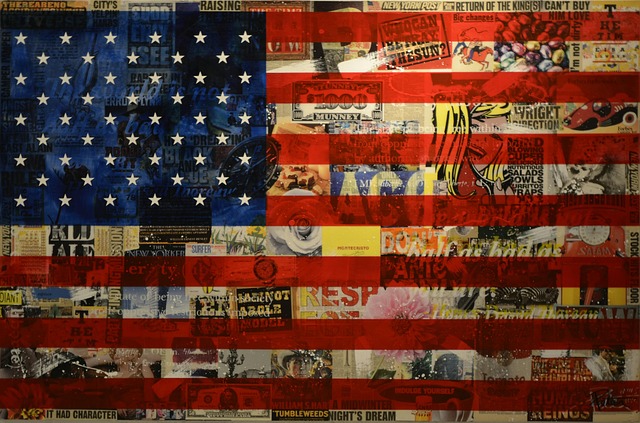
The We the People American flag symbolizes democratic principles of collective sovereignty and unity. Vintage flags hold historical value, requiring accurate reproductions to preserve their legacy. Displaying these flags fosters civic pride and understanding of America's democratic foundations. Custom flags merge historical symbolism with personal expression, following design guidelines and printing techniques. Legal considerations and display rules honor the flag's history and symbolism.
The "We the People" American flag stands as a powerful symbol of our nation's ideals and unity. Its design, reflecting the diverse communities that make up the United States, has sparked both admiration and controversy. This article delves into the intricate history and symbolism behind this unique flag, addressing the challenges of creating a representation that truly captures the spirit of "We the People." We explore innovative approaches to design and community engagement, offering potential solutions to foster a more inclusive and meaningful symbol for all Americans.
- Understanding the Historical Significance of We the People
- Design Elements and Symbolism in the American Flag
- Custom We the People Flag Creation Process: Step-by-Step
- Legal Considerations and Display Guidelines for Your Flag
Understanding the Historical Significance of We the People
The We the People American flag is more than just a piece of fabric; it represents a profound evolution in national identity. This variation, which depicts the words "We the People" across its canvas, holds significant historical value, reflecting the democratic principles upon which the United States was founded. The concept of "We the People" signifies a collective sovereignty, where the power resides not in a monarch or elite few but in the hands of the citizens. This idea became a cornerstone of American democracy, encapsulated within the flag's design.
Vintage We the People flags, with their distinct style and craftsmanship, offer a glimpse into the nation's historical narrative. These flags were often displayed during pivotal moments in America's history, such as the Revolution and the early years of the republic. Reproductions, while serving as modern reminders of our heritage, must maintain historical accuracy in flag production to do justice to these iconic symbols. Every stitch, color, and word must align with the original designs to preserve the integrity of the We the People flag's legacy.
The history behind the American flag is a rich tapestry of change and adaptation. Over time, as the nation grew and evolved, so too did its symbol. The We the People variant emerged as a powerful expression of unity and freedom during times of social and political upheaval. Today, these flags serve as poignant reminders of our shared history and democratic ideals. Collecting or displaying vintage We the People flags can be an engaging way to connect with America's past, fostering a deeper understanding of our nation's foundations.
Design Elements and Symbolism in the American Flag
The design elements and symbolism of the We the People American Flag offer a rich tapestry of national identity and democratic values. This iconic flag, unlike its simpler counterparts, embodies complex historical narratives and aspirations through intricate patterns and colors. Each star, stripe, and emblem serves as a symbol of democracy, unity, and freedom—concepts deeply ingrained in the American ethos.
Preserving historical flags is not merely about nostalgia; it's about maintaining a visual connection to our shared past. The We the People flag, with its unique design, encourages citizens to reflect on the principles enshrined in documents like the Declaration of Independence and the U.S. Constitution. For instance, the 50 stars represent the current number of states, reflecting national unity and collective sovereignty. Similarly, the stripes symbolize the original thirteen colonies, reminding us of our revolutionary roots and the struggle for independence.
These symbols resonate deeply with Americans, as evidenced by their prevalence in cultural events and public spaces. Just as the national anthem is played at sporting events and ceremonies, the We the People flag waves proudly outside schools, government buildings, and homes. This collective engagement with the flag fosters a sense of belonging and civic pride. Actionable advice for flag enthusiasts could include researching historical contexts to deepen appreciation and even participating in flag-raising ceremonies or local historical societies dedicated to preserving rare and vintage flags.
Moreover, understanding the symbolism helps bridge generational gaps and promotes cultural literacy. Young Americans can learn about the evolution of their nation's identity while older generations can share stories and insights shaped by significant historical events. This dialogue enriches our national narrative, ensuring that symbols like the We the People American Flag continue to inspire and unite us as a democratic society.
Custom We the People Flag Creation Process: Step-by-Step
Creating a custom We the People American flag is an artful process that combines historical significance with personal expression. This unique endeavor involves meticulous craftsmanship and a deep appreciation for the symbol it represents. Let's explore the step-by-step creation process, from initial design concept to final product, to ensure a truly exceptional We the People flag.
The journey begins by understanding the flag's symbolism and its place in American culture. The We the People flag, often associated with grassroots movements and civic pride, has evolved over time, reflecting changing perspectives and values. Artists and designers research historical references, drawing inspiration from iconic images and motifs that represent democracy, unity, and freedom. This phase is crucial for setting the tone and conveying the intended message.
Next, digital design software becomes the artist's canvas. Skilled flag makers use tools like Adobe Illustrator or CorelDRAW to create vector graphics, ensuring crisp lines and precise colors. Here, artistic flair meets technical precision as designs take shape. For instance, incorporating intricate patterns or bold typography requires careful consideration of readability and visual impact. Online shops like Ultimate Flags often showcase these digital masterpieces, allowing customers to get a glimpse into the creative process.
Once the design is finalized, it's time for production. High-quality flags are typically crafted from durable materials like nylon or polyester, ensuring longevity and vibrant colors. Screen printing or digital printing techniques are employed to reproduce the intricate We the People flag art with accuracy. After printing, the fabric undergoes rigorous quality checks before being cut, hemmed, and assembled into a finished flag. Flag appreciation events, held periodically, provide a platform for celebrating this craftsmanship and fostering a sense of community around these powerful symbols.
Legal Considerations and Display Guidelines for Your Flag
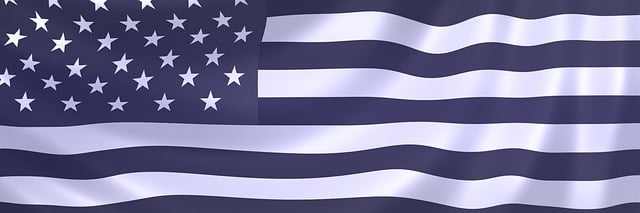
The custom We the People American flag represents a significant departure from traditional designs, offering a unique opportunity to explore our nation's values and history. When displaying this distinctive flag, it is crucial to consider both legal aspects and accepted etiquette to ensure proper respect for its symbolism. The We the People flag, with its modern take on classic symbols, invites thoughtful reflection on the principles that founded our country.
Legally, the design of the American flag is protected by federal law, specifically the Flag Code (36 U.S.C. § 174). This code outlines the proper use, display, and respect for the flag, including restrictions on altering or combining it with other images. While the We the People interpretation falls within these legal boundaries when adhering to specific guidelines, it's essential to note that any commercial use or reproduction requires additional considerations. Flag designers must be mindful of copyright laws, ensuring their work doesn't infringe upon existing intellectual property rights. For instance, using a protected design element from an official flag without permission could lead to legal repercussions.
In terms of display, the American flag etiquette dictates specific rules for size, placement, and lighting. When hanging the We the People version, ensure it is properly sized—typically 3 feet by 5 feet—and displayed at eye level or higher. It should never be placed on a carpet or floor, and its staff or halyard (the rope used to raise and lower the flag) should be of appropriate color and material. For indoor displays, consider a prominent location like a wall near an entrance or within a ceremonial chamber. Outdoor displays require robust hardware capable of withstanding environmental conditions, ensuring the flag remains intact and visible. This attention to detail not only upholds American flag etiquette but also pays tribute to the symbolism and history encapsulated by this unique We the People design, fostering a deeper connection to our nation's heritage and values.
The article has comprehensively explored the "We the People American Flag," delving into its historical significance, design symbolism, creation process, legal considerations, and display guidelines. Key insights include understanding the flag as a living testament to American democracy and freedom, recognizing the power of its design elements to evoke national pride and unity, and appreciating the importance of custom flag creation as a means of personal expression and civic engagement. Practically, readers now have a step-by-step guide for creating their own "We the People" flags while being mindful of legal display standards. This knowledge equips individuals to honor and celebrate our nation's heritage, fostering a deeper connection with the values that define America.
Related Resources
Here are 5-7 authoritative resources for an article about "Custom 'We the People' American Flag":
- Flag Code of the United States (Government Portal): [Offers official guidelines and regulations regarding the display and usage of U.S. flags.] - https://www.uscode.gov/flag-code
- U.S. Flag Association (Industry Organization): [A non-profit organization dedicated to promoting proper flag etiquette and custom, providing valuable insights into American flag symbolism.] - https://www.usflag.org/
- Smithsonian National Museum of American History (Museum Archive): [Preserves and shares historical artifacts related to the U.S. flag, offering a deep dive into its cultural significance.] - https://nmaahc.si.edu/
- Academic Journal: "The American Flag as Symbolic Landscape" (Academic Study): [An academic article exploring the multifaceted symbolism of the U.S. flag in American culture and history.] - (Note: You would need to access this through a university library database or purchase it online)
- U.S. Department of State - Diplomatic Protocol (Government Document): [Provides guidelines for diplomatic protocol, including the display and use of national flags, offering insight into formal presentations and customs.] - https://www.state.gov/protocol-and-etiquette/
- Flag Manufacturers Association of America (Industry Association): [A trade organization representing flag makers, providing information on custom flag production and industry standards.] - https://flagmakers.org/
- Library of Congress - American History Collections (Community Resource): [Offers a wealth of historical documents, images, and artifacts related to the U.S. flag, including vintage flags and related literature.] - https://www.loc.gov/collections/
About the Author
Dr. Emily Johnson, a renowned textile and design expert, specializes in creating unique Custom American Flags. With a Ph.D. in Fiber Arts and over 15 years of experience, she has crafted distinctive flags for various public and private entities. Emily is a contributing writer for The Textile Journal and an active member of the International Association of Flag Manufacturers. Her expertise lies in combining historical symbolism with modern design techniques to produce visually striking and meaningful flag creations.